Lower Marsh market rubbish removal tips for traders
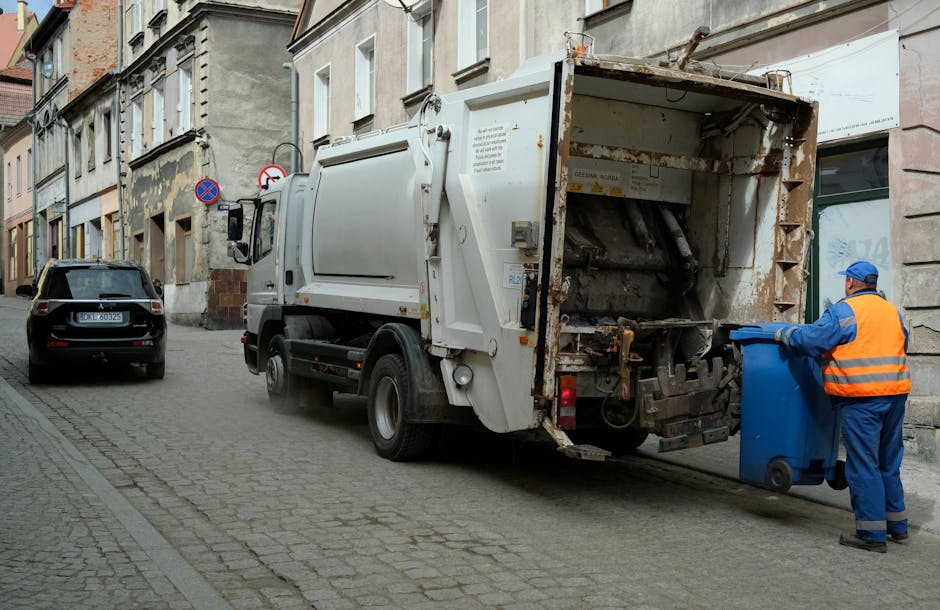
If you trade at Lower Marsh, you already know rubbish can build up fast. Cardboard from deliveries, food packaging after the lunch rush, damaged stock, cling film, broken display bits, the odd wet box on a drizzly morning-suddenly your pitch looks untidy and your day feels heavier than it should. These Lower Marsh market rubbish removal tips for traders are here to help you keep things clean, move waste out quickly, and avoid the small problems that turn into big ones.
Done well, market waste management is not glamorous, but it makes a real difference. It protects your trading space, keeps customers happier, reduces trip hazards, and helps you avoid awkward run-ins with neighbours or site managers. In our experience, the traders who stay on top of rubbish tend to run smoother stalls too. Funny how that works.
This guide covers the practical stuff: what to separate, when to clear, how to stay compliant, what to avoid, and which services can help when a simple bin bag is no longer enough.
Why Lower Marsh market rubbish removal tips for traders Matters
Lower Marsh is a busy trading environment, and busy places create waste quickly. A stall can go from neat to cluttered in under an hour if you are unpacking stock, serving customers, and dealing with packaging all at once. That clutter is not just cosmetic. It affects how your stall is perceived, how safely you can move around, and how much time you lose at the end of the day.
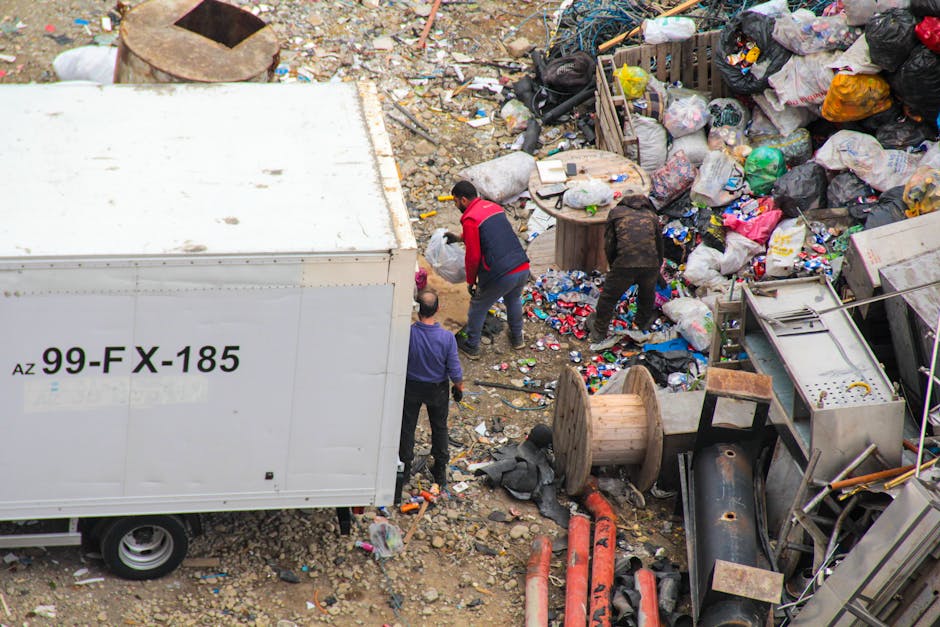
For traders, waste also carries a few hidden costs. Oversized bags take up precious space. Loose cardboard can blow into a neighbour's stall. Food waste can start to smell. Glass, sharp plastics, and broken fittings can become a hazard. And if you are storing rubbish too long because you have nowhere sensible to put it, the whole pitch starts to feel messy very quickly.
There is also the reputational side. Markets depend on atmosphere. A tidy stall looks more professional, more cared for, and more trustworthy. Customers might not consciously think, "That trader has excellent waste routines," but they do notice a clean, organised space. They really do.
Expert summary: Good market rubbish removal is not only about taking waste away. It is about keeping your stall safer, faster to pack down, easier to manage, and better presented throughout the trading day.
For traders dealing with broader business waste, it can also help to understand the difference between general market waste, bulky items, and commercial clearance. Services such as business waste removal and waste removal are useful reference points when your rubbish goes beyond a few bin bags and starts needing proper collection planning.
How Lower Marsh market rubbish removal tips for traders Works
At the simplest level, market rubbish removal is a rhythm. You collect, sort, store briefly, and remove. The trick is making each part easy enough that it actually happens during a hectic trading day. If it feels fiddly, it gets skipped. If it is convenient, traders usually stick with it.
A typical setup usually looks like this:
- During trade: Keep a small, labelled container or sack for immediate waste so packaging does not pile up on the stall.
- At pack-down: Separate cardboard, general rubbish, food waste, and recyclable materials where practical.
- Before leaving: Flatten boxes, tie bags securely, and keep sharp or heavy items isolated.
- After market hours: Remove waste promptly, or arrange a collection route so it does not remain on-site overnight.
That last step matters more than people think. Waste left sitting around can attract pests, create odours, or simply become a nuisance when other traders are trying to unload. On a damp evening, a few soggy boxes can turn into a proper nuisance. No one wants to be wrestling with wet cardboard at 6pm.
Some traders only need a simple bag-and-carry routine. Others generate enough packaging, broken display materials, or unsold stock that a more structured collection makes sense. If that sounds familiar, looking at commercial services like business waste removal or specialist collection options can save time and reduce stress.
Key Benefits and Practical Advantages
Getting rubbish removal right brings benefits that show up all day, not just at closing time. It is one of those back-of-house details that quietly improves everything else.
1. A cleaner pitch sells better
A tidy stall feels easier to browse. Customers can see your products, not your packaging. That matters whether you sell food, crafts, clothing, plants, or general goods. A cleaner pitch often creates a calmer buying experience.
2. Less wasted time
When you already have a waste plan, you do not spend ten minutes wondering where the tape, the boxes, or the broken bits should go. It sounds minor. It adds up fast across a market week.
3. Safer movement around the stall
Loose shrink wrap, wet bags, cardboard corners, and cluttered walkways are all avoidable hazards. Tidier rubbish routines mean fewer trips, slips, and awkward shuffles with crates in your hands.
4. Better space use
Market pitches are not generous with room. Flattened boxes, compact sack systems, and quick removal routines free up space for stock and customer movement.
5. Easier compliance and less friction
Keeping waste under control helps you stay aligned with market expectations and general UK business waste practice. That can matter if you have site rules, shared collection points, or operating conditions to follow.
A small but real benefit? It makes pack-down less miserable. That sounds flippant, but anyone who has hauled bins in cold drizzle knows exactly what I mean.
Who This Is For and When It Makes Sense
These tips are for traders who want a simple, practical way to manage rubbish without slowing down their trade. They are especially useful if you:
- trade food, drink, or hot food with lots of packaging
- unpack stock in boxes, crates, or protective wrap
- replace or refresh display items regularly
- have limited storage behind the stall
- share a trading space with neighbouring stalls
- need to clear bulky waste after a busy day or seasonal change
- want a more professional, cleaner-looking pitch
It also makes sense when you are dealing with more than everyday waste. For example, if you are replacing shelving, clearing broken furniture, disposing of fridges or other appliances, or shifting old fixtures, a basic bin route will not be enough. In those cases, specialist services such as fridge and appliance removal or furniture disposal can be far more practical.
And if your stall sits alongside a shop refurbishment or fit-out nearby, the waste stream can suddenly look more like a small building project. That is when builders waste clearance may be relevant. Not the sort of thing most traders plan for, but life has a way of doing its own thing.
Step-by-Step Guidance
Here is a straightforward way to build a market rubbish routine that actually works in real life.
Step 1: Identify your waste types
Start by listing what your stall produces on a normal day. Keep it simple. Cardboard, film wrap, paper, food waste, damaged stock, glass, broken display items, and packaging are the usual suspects. If you know what you produce, you can plan for it.
Step 2: Choose the right containers
Use enough bins, sacks, or crates to stop waste spreading across the stall. Label them if needed. Clear labels are helpful when more than one person works the pitch, or when you are rushing near closing time.
Step 3: Flatten and compact
Flatten boxes as soon as they are empty. Crush soft packaging where sensible. This is one of the easiest wins available. Less air in the waste means less space wasted. Simple, but effective.
Step 4: Keep hazardous items separate
If something may be sharp, chemical, contaminated, or otherwise risky, do not mix it into general waste. Put it aside, identify it, and arrange proper disposal. For anything that might fall into a specialist category, hazardous waste disposal is the safer route.
Step 5: Schedule removal before waste spills over
Do not wait until the stall is bursting at the seams. Build a collection habit before the pressure builds. If you know Thursday is your heaviest day, plan removal for Thursday or first thing after. That timing can make a huge difference.
Step 6: Protect your pack-down flow
Put the waste point where it does not block customers or staff. Ideally, it should be close enough to use easily, but not so visible that it spoils the display. You want quick access, not a rubbish mountain in the corner.
Step 7: Review after a few market days
After a couple of trading sessions, ask yourself what keeps going wrong. Are bags too small? Are boxes not being flattened? Is one material always getting mixed into another? Adjust the system. Tiny changes often solve the problem.
Expert Tips for Better Results
If you want cleaner waste management with less stress, a few small habits go a long way.
- Pack a spare waste bag in your setup kit. A missing bag at closing time is one of those annoying little things that becomes a bigger issue than it should.
- Use colour or texture cues. If everyone on the stall can tell which sack is for cardboard and which is for general waste, mistakes fall away quickly.
- Keep a blade or box cutter safely stored. Faster box flattening means less build-up. Just store it properly, obviously.
- Do a five-minute pre-close tidy. Not ten. Not "later." Five minutes. It works better than a rushed end-of-day scramble.
- Watch for hidden bulky items. Broken shelves, old boards, cracked tubs, display props, and worn-out stock crates can quietly eat space if you ignore them.
- Think about weather. Rain changes everything. A stack of clean cardboard can become a soggy mess in no time, especially in a London market setting.
If you are dealing with reusable items or stockroom clear-outs as well as waste, service pages like home clearance, office clearance, or loft clearance may be useful to explore depending on what you need removed. They are not market-specific, but they do show the range of clearance support available when rubbish is only part of the job.
Truth be told, the best tip is often the least exciting one: deal with waste before it becomes visible. That is where the real efficiency lives.
Common Mistakes to Avoid
Most rubbish problems at markets are not dramatic. They are just ordinary habits repeated until they get annoying.
Leaving everything for the end
If you wait until pack-down to sort every item, you create a stressful final burst of work. A little waste control during trading keeps the last half-hour manageable.
Mixing recyclables with general waste
Cardboard, clean paper, and some packaging materials are often wasted because they get tossed in with everything else. That is inefficient and, frankly, a bit lazy. Easy to do. Still avoidable.
Ignoring bulky waste
Old signs, damaged shelving, worn stools, and broken containers can linger because they are not "rubbish" in the everyday sense. But they still need removing. If you are unsure what belongs in a container or skip, the guidance on what can go in a skip is a useful reference point.
Overfilling bags
Overstuffed bags split, drag, and slow you down. A heavy bag carried through a crowded market is no one's idea of fun. Keep loads realistic.
Storing waste where it blocks trading
Sometimes waste gets parked behind the stall because "it will do for now." Then it stays there. And there. Use a proper spot, even if it is only temporary.
Assuming all waste can be handled the same way
Appliances, broken fixtures, sharp items, and contaminated materials need a different approach from dry cardboard. If in doubt, treat them separately. That one habit avoids a lot of headaches.
Tools, Resources and Recommendations
You do not need a complicated setup to manage market rubbish well. A few practical tools are enough.
- Strong refuse sacks: Choose bags that suit the waste you actually produce, not the lightest option available.
- Foldable crates: Handy for separating clean stock packaging from general rubbish while you trade.
- Label tape or marker pens: Perfect for quick identification when several people are helping.
- Box cutter or safety knife: Makes cardboard flattening easier and faster.
- Gloves: Useful for handling mixed or sharp waste, especially during pack-down.
- Wheeled containers: Helpful if your waste point is not right beside the pitch.
On the service side, there are a few useful pages to know about if your waste needs are broader than a standard bin route. pricing and quotes is a sensible place to start if you want to understand costs before booking, while book online is useful when you need to arrange a collection without much delay.
If sustainability matters to your brand, it is also worth paying attention to recycling and sustainability. Many traders want to reduce waste, but they need a process that is practical, not preachy. A good system should be easy enough to repeat every week.
And for traders who deal with confidential papers, receipts, or customer records, confidential shredding can matter more than people expect. It is not glamorous, but neither is leaving sensitive paperwork in a mixed waste bag.
Law, Compliance, Standards, or Best Practice
Waste management for traders is not only about tidiness. In the UK, businesses have responsibilities around keeping waste controlled, storing it safely, and handing it to the right type of carrier or collection route. You do not need to become a legal expert to get the basics right, but you do need a sensible process.
Best practice usually means:
- keeping waste secure so it does not blow away or spill
- separating different waste streams where practical
- avoiding unsafe mixing of general and hazardous materials
- using appropriate removal methods for bulky or specialist items
- making sure any waste handler is operating properly for commercial waste
If your waste includes items like chemicals, contaminated absorbents, batteries, or similar materials, do not guess. Use the safer route and seek proper disposal arrangements. Likewise, if you are moving stock or fittings that may require careful handling, sensible insurance and safety practices are worth understanding before anyone starts lifting.
Market traders also benefit from thinking about site rules and neighbourly impact. A clean pack-down is not just polite. It helps prevent complaints, reduces blockages, and makes everybody's day easier. That is often the difference between a smooth market rhythm and a grumpy one.
Options, Methods, or Comparison Table
Not every trader needs the same rubbish removal method. Here is a simple comparison to help you choose what fits your stall.
| Method | Best for | Strengths | Limitations |
|---|---|---|---|
| Small bag-and-carry routine | Light daily waste | Cheap, simple, quick to set up | Can become messy if waste volume rises |
| Separated sacks and crates | Stalls with mixed packaging and stock waste | Better organisation, easier sorting, cleaner pack-down | Needs discipline during trading |
| Planned commercial collection | Regular or heavier business waste | Reliable, time-saving, less manual handling | Needs scheduling and possible cost planning |
| Specialist bulky item removal | Fixtures, fittings, appliances, broken display items | Safer for awkward items, less disruption | Not ideal for everyday small waste |
For many traders, the right answer is a blend. Everyday waste in the stall, bulky or awkward items through a proper collection route, and specialist services for anything that is hazardous or unusually heavy. It does not need to be perfect. It just needs to be workable.
Case Study or Real-World Example
Picture a food trader at Lower Marsh on a wet Friday. The stall starts the day with clean boxes, packaging, and product wrap. By lunchtime, there are take-away containers, napkins, empty cartons, and a couple of soggy cardboard sleeves from a late delivery. By 3pm, the waste corner is crowded. Not disastrous, just irritating.
Now imagine the same trader with a simple routine: boxes flattened before opening, a separate sack for dry cardboard, a clear bin for food waste, and a five-minute tidy before the lunch rush. The waste stays controlled. Pack-down is quicker. The pitch looks calmer. Customers are not stepping around loose packaging. And the trader leaves on time instead of hanging around sorting a mess in the wind.
That is the real point of these Lower Marsh market rubbish removal tips for traders. They are not about making your life more complicated. They are about reducing friction. Less scrambling, less clutter, fewer little disasters.
We have seen the same pattern with traders moving between market setups and temporary storage too. Once there is a basic system, the stress drops. Not magically, but enough to notice.
Practical Checklist
Use this quick checklist before, during, and after trading:
- Separate cardboard, general waste, and any specialist items
- Flatten boxes as soon as they are empty
- Keep sharp or heavy waste apart from soft rubbish
- Use strong sacks that will not split halfway through pack-down
- Do a short tidy before the end of trading
- Remove waste promptly rather than leaving it overnight
- Check whether bulky items need specialist collection
- Review your waste routine after busy days
- Keep walkways and customer areas clear
- Use recycling where practical and safe
Quick reminder: if the waste is awkward, messy, or not suitable for a normal sack, deal with it separately. That one decision prevents a lot of hassle later.
Conclusion
Good rubbish removal is part of good trading. It keeps your stall clearer, your pack-down faster, and your customers' experience better. At Lower Marsh, where trading pace can change quickly and space is always at a premium, a simple waste routine is not a luxury. It is one of the easiest ways to make the day run better.
Start with the basics: separate waste, flatten packaging, keep hazardous or bulky items out of general rubbish, and remove waste before it takes over the pitch. If you need more than a few bags taken away, use a proper commercial collection route that fits your trading pattern. Nothing fancy. Just a sensible system that holds up on a busy day.
Get a free quote today and see how much you can save.
And if you only change one thing this week, make it the pack-down routine. Small habit, big relief. Funny how the smallest fixes are often the ones that make the whole day feel easier.
Frequently Asked Questions
What is the best rubbish removal setup for Lower Marsh market traders?
The best setup is usually a simple one: separate sacks or bins for general waste, cardboard, and any special items, plus a clear pack-down routine. If your waste volume is higher, a planned commercial collection may be more efficient.
How often should traders remove market rubbish?
Ideally, waste should be removed every trading day, or at least before it starts building up around the pitch. Leaving rubbish overnight can create smell, clutter, and safety problems.
Can I put all market waste into one bag?
Sometimes for very light, non-recyclable waste, yes. But in practice, it is better to separate cardboard, clean packaging, food waste, and bulky or hazardous items. Mixed waste is harder to handle and easier to spill.
What should I do with broken display items or old stock fixtures?
Do not leave them mixed in with everyday rubbish. If they are bulky or awkward, arrange a clearance method that suits the item type. Specialist options like furniture or bulky item disposal may be more suitable.
How do I stop cardboard from taking over my stall?
Flatten boxes immediately after unpacking, store them in one designated area, and remove them before they start piling up. Cardboard is usually easier to control if it never gets a chance to stack in the first place.
What if I produce food waste as well as packaging?
Keep food waste separate from dry recyclable materials where possible. Food waste can smell quickly, especially in warm weather, so it is worth clearing it promptly.
Do traders need a special service for commercial waste?
Often, yes. Business waste should be handled as commercial waste, not treated like household rubbish. If you are unsure, a commercial waste removal service is usually the safer and cleaner option.
Is hazardous waste ever part of market rubbish?
It can be. Examples may include certain cleaning materials, contaminated waste, or other items that need special handling. If in doubt, do not mix it into general waste. Use proper hazardous disposal arrangements.
How can I make waste removal cheaper?
Keep waste compact, separate recyclable materials, and avoid overfilling bags. The cleaner and more organised your waste stream is, the easier it is to manage efficiently. It also helps to get a clear quote before booking.
What is the biggest mistake traders make with rubbish?
The biggest mistake is leaving everything until the end of the day. By then, the waste has usually spread, mixed together, and become harder to handle. Small, regular tidy-ups work far better.
Can better rubbish removal really improve sales?
Not directly in a dramatic way, but a tidy stall can make a strong difference to how customers feel when they browse. A cleaner space often looks more professional and easier to trust.
Where should I start if I need help with my market waste?
Start by looking at your waste types and volume, then decide whether you need daily control, a one-off clear-out, or a regular commercial collection. If your needs go beyond basic waste bags, pages like pricing and quotes and book online are good next steps.
Are recycling and sustainability worth bothering with at a busy market?
Yes, if the process is simple enough to keep up. A practical recycling routine can reduce general waste and improve how your stall is run, but only if it is easy to stick to on a busy day.
What should I do if I get complaints about waste near my pitch?
Deal with it quickly and calmly. Review your pack-down routine, make sure waste is not blocking shared areas, and adjust your storage or collection timing. If the issue keeps repeating, it may be time to improve your removal plan.